








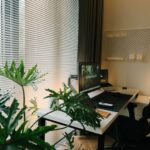

Creating an organized and productive home workspace is essential for anyone who works remotely or spends significant time at home for personal projects. A well-designed workspace not only helps you stay focused but also improves your overall comfort and motivation. In this post, we’ll explore practical tips to help you set up a space that promotes productivity and keeps distractions at bay.
Choose the Right Location
Selecting the right spot for your workspace is the first and most important step. Ideally, choose a quiet area with minimal foot traffic, good natural light, and enough space for your work essentials.
– Avoid high-traffic zones. Busy areas like the kitchen or living room might be tempting but can lead to frequent interruptions.
– Consider natural light. Position your desk near a window if possible; natural light boosts mood and reduces eye strain.
– Ensure privacy. If space allows, use a separate room or a corner that can be dedicated solely to work activities.
Invest in Comfortable Furniture
Comfort directly impacts productivity. An ergonomic chair and a suitable desk height prevent physical discomfort that can distract you from tasks.
– Ergonomic chair. Look for adjustable chairs that support your lower back and promote good posture.
– Desk height. Your desk should allow your arms to rest comfortably at a 90-degree angle while typing or writing.
– Additional accessories. Consider footrests, monitor stands, or adjustable keyboard trays to fine-tune your setup.
Keep Your Workspace Organized
Clutter can hinder productivity and increase stress. Use organizational tools to keep your workspace tidy and items within easy reach.
– Declutter regularly. Spend a few minutes at the end of each day clearing unnecessary papers and items from your desk.
– Use storage solutions. Drawer organizers, shelves, and filing cabinets help keep documents and supplies neat.
– Limit items on your desk. Only keep essentials on your work surface to maintain a clean and inviting area.
Optimize Lighting
Proper lighting is key to reducing eye strain and maintaining energy levels.
– Combine natural and artificial light. Use daylight when possible, supplemented by adjustable desk lamps.
– Avoid glare. Position screens perpendicular to windows and avoid direct light on monitors.
– Choose the right bulb. Soft white or daylight LED bulbs can create a comfortable work atmosphere.
Minimize Distractions
Eliminating distractions helps you maintain focus and complete tasks efficiently.
– Set boundaries. Inform family or housemates of your work hours to minimize interruptions.
– Use noise control. Noise-cancelling headphones or white noise machines can block disruptive sounds.
– Manage digital distractions. Silence non-essential notifications and use focus modes on your devices.
Personalize Your Space
Adding small personal touches can make your workspace more inviting and motivate you throughout the day.
– Incorporate plants. Indoor plants improve air quality and add a refreshing visual element.
– Display inspiring items. Photos, artwork, or quotes can boost mood and creativity.
– Choose calming colors. Soft, neutral tones can create a peaceful environment conducive to concentration.
Establish a Routine and Breaks
An organized space works best when paired with consistent work habits.
– Set regular work hours. Structure your day to start and end at consistent times.
– Take breaks. Stand, stretch, or take a short walk every hour to refresh your mind and body.
– Keep snacks and water nearby. Staying hydrated and energized supports sustained productivity.
Maintain Your Workspace
Ongoing upkeep is essential to keep your workspace efficient and pleasant.
– Weekly cleaning. Wipe down surfaces and organize papers and supplies to prevent clutter build-up.
– Reassess your layout. Every few months, review your setup to see if any adjustments can improve comfort or workflow.
– Update tools and technology. Keep your devices and software up to date to avoid productivity hiccups.
—
By thoughtfully designing an organized and productive home workspace, you’ll create an environment that supports your goals and well-being. Remember, the best workspace is one that fits your unique needs, so experiment with these tips and customize your space for optimal performance.