









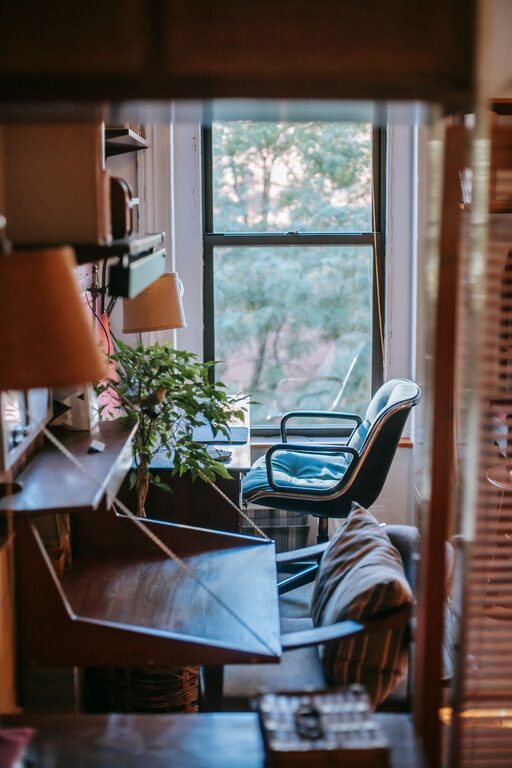
Creating a home office that feels cozy and inviting is more important than ever, especially as many people continue to work remotely. When your workspace is comfortable and tailored to your preferences, it not only helps reduce stress but also enhances focus and productivity. Whether you’re starting from scratch or looking to refresh your current setup, here are practical tips to make your home office a welcoming and efficient place to work.
Choose the Right Location
Selecting the right spot in your home is the first step. Ideally, pick a quiet area with minimal distractions, good natural light, and enough space for your furniture and supplies. If possible, avoid busy communal areas to maintain focus.
– Natural Light: Position your desk near a window to benefit from sunlight, which can improve mood and energy.
– Noise Level: Consider noise-canceling headphones or soft furnishings to reduce distractions if you can’t find a fully quiet spot.
– Space: Make sure you have enough room for your essentials without feeling cramped.
Invest in Comfortable Furniture
Comfort is key when you’re spending long hours working at your desk. Here’s what to focus on:
– Ergonomic Chair: Choose a chair that supports your back and allows you to adjust height and tilt for proper posture.
– Desk: Opt for a desk that fits your work style. Adjustable or standing desks are great for adding variety to your routine.
– Footrest and Accessories: Small additions like footrests can improve comfort during long periods of sitting.
Personalize Your Space with Thoughtful Decor
Your office should reflect your personality and make you feel at ease. Small touches can transform a space from bland to inspiring.
– Plants: Adding greenery can improve air quality and add a calming vibe.
– Artwork: Choose prints or photos that motivate or relax you.
– Rugs and Textiles: Soft rugs or cushions add warmth and texture.
– Color Scheme: Warm, neutral colors often create a cozy atmosphere, but you can also use accent colors to boost energy.
Optimize Lighting for Comfort and Function
Good lighting reduces eye strain and sets the tone for your workspace.
– Layered Lighting: Combine natural light with ambient lighting (like ceiling lamps) and task lighting (desk lamps).
– Adjustable Desk Lamps: These provide focused light for reading or detailed work.
– Avoid Glare: Position monitors and light sources to minimize reflections and glare.
Maintain Organization and Declutter Regularly
A tidy workspace helps your mind stay clear and organized.
– Storage Solutions: Use shelves, drawers, and organizers to keep supplies neat.
– Cable Management: Use clips or sleeves to keep cords under control.
– Daily Clean-Up: Spend a few minutes at the end of each day to put things away.
Incorporate Personal Touches to Boost Mood
Adding elements that make you smile can enhance your overall work experience.
– Favorite Books: Keep inspiring books or magazines nearby.
– Photos and Memorabilia: Personal mementos add a sense of comfort.
– Scent: Consider candles or essential oil diffusers for pleasant, subtle scents that relax you.
Create Zones for Different Activities
If your room allows, define specific areas for tasks like computer work, reading, or brainstorming.
– Reading Nook: A comfortable chair with good lighting creates a cozy spot for breaks.
– Creative Corner: A small table for sketching or planning can help separate creative activities.
Pay Attention to Technology Setup
Ensure your technology supports your work and doesn’t become a source of frustration.
– High-Speed Internet: Reliable connectivity is essential for smooth communication.
– Monitor Setup: Use a monitor stand or dual monitors for better screen space.
– Headphones: Noise-canceling models help maintain concentration.
Incorporate Break and Relaxation Elements
Taking breaks is vital for productivity, so your office should encourage stepping away.
– Comfortable Seating: A small sofa or armchair invites quick rest.
– Mini Refreshments Station: Having water or tea nearby can keep you hydrated and motivated.
Final Thoughts
Designing a cozy and inviting home office is about balancing functionality with comfort and personal style. By choosing the right location, prioritizing ergonomic furniture, adding personal touches, and keeping the space organized and well-lit, you can create an environment that makes work feel less like a chore and more like a pleasant daily routine. Remember, small changes can make a big difference—start with one or two ideas and build a workspace that truly supports you.