








Creating a relaxing home workspace is essential for anyone who spends significant time working from home. A well-designed workspace can increase productivity, reduce stress, and make your workdays more enjoyable. Whether you have a dedicated room or just a small corner, there are many ways to transform your area into a calming and efficient space. Let’s explore some helpful tips for creating a relaxing home workspace.
Why a Relaxing Workspace Matters
When your workspace feels comfortable and calming, it’s easier to focus and stay motivated. Stress and clutter can distract you and drain your energy, making your work less effective. By designing a workspace that balances function and comfort, you set yourself up for better work habits and overall well-being.
Choose the Right Location
The first step in creating a relaxing home workspace is to select the right spot. Here’s what to consider:
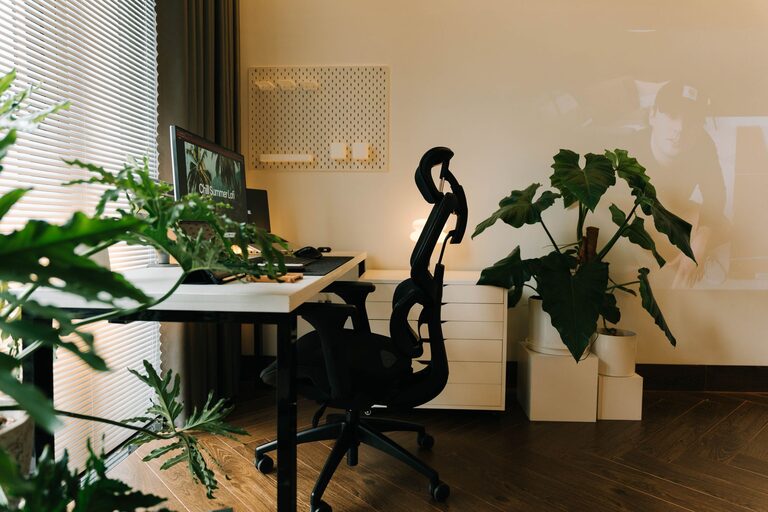
– Natural Light: Choose a space with plenty of natural light if possible. Sunlight helps improve mood and reduces eye strain.
– Quiet Area: Select a location that is away from loud noises and distractions. If you don’t have a separate room, try using noise-cancelling headphones or white noise machines.
– Space to Move: Ensure there’s enough room for your desk, chair, and some movement. A cramped area can feel claustrophobic and stressful.
Invest in Comfortable Ergonomics
Comfort is key for a relaxing workspace, especially if you spend long hours working. Pay attention to ergonomics:
– Supportive Chair: Choose a chair that supports your back and encourages good posture. Adjustable features help customize it to your body.
– Desk Height: Make sure your desk is at the right height to avoid straining your wrists and shoulders.
– Monitor Position: Position your computer screen at eye level and about an arm’s length away to reduce neck and eye strain.
Keep It Organized and Clutter-Free
A cluttered workspace can lead to mental clutter. Here are ways to keep your area tidy:
– Use Storage Solutions: Shelves, drawers, and organizers help keep documents and supplies out of sight but within reach.
– Daily Clean-Up: Spend a few minutes at the end of each day tidying your desk. It sets a fresh tone for the next work session.
– Limit What’s on the Desk: Only keep daily essentials on the desk surface to maintain a neat look.
Add Calming Elements
Incorporating calming elements can help reduce stress and make the space inviting:
– Plants: Adding greenery improves air quality and brings a natural, soothing vibe.
– Colors: Choose soft, neutral colors or pastels for walls and accessories. These tones promote relaxation.
– Personal Touches: Items like framed photos or artwork that make you happy can enhance comfort without becoming distractions.
Manage Lighting Wisely
Proper lighting can affect your energy and focus throughout the day:
– Layered Lighting: Combine natural light, overhead lights, and task lamps to control brightness and reduce glare.
– Warm Bulbs: Use bulbs with warm color temperatures to create a cozy atmosphere.
– Adjustable Lamps: A lamp with adjustable brightness helps you customize lighting as needed.
Minimize Digital Distractions
Your devices can be major sources of distraction. Here’s how to manage them:
– Organize Cables: Use cable ties or clips to prevent tangled cords and keep your desk looking clean.
– Turn Off Notifications: Limit interruptions by turning off unnecessary notifications during focused work time.
– Use Separate Devices: If possible, use one device exclusively for work to reduce the temptation of browsing personal apps.
Incorporate Break Areas
Taking breaks is vital for maintaining focus and relaxation:
– Comfortable Seating: If space allows, add a comfortable chair or small couch nearby to step away from the desk.
– Stretching Space: Keep an open area to stretch or do light exercises during breaks.
– Hydration Station: Have a water bottle or cup nearby to remind yourself to stay hydrated.
Maintain a Routine
Even in a relaxing workspace, maintaining a consistent work routine helps balance productivity and rest:
– Set Working Hours: Define clear start and end times to separate work from personal life.
– Include Break Times: Schedule short breaks to refresh your mind regularly.
– End-of-Day Ritual: Develop a routine to signal the end of work, like tidying up or turning off your computer.
Conclusion
Transforming your home workspace into a relaxing environment takes some planning but is well worth the effort. By focusing on location, comfort, organization, lighting, and personal touches, you can create a space that supports both your productivity and well-being. Remember to maintain your space and routine regularly to enjoy lasting benefits. Start making small changes today to build a home workspace where you feel calm, focused, and ready to tackle the day.